
Clogged Drain Cleaning in Barrie
Call for pricing
A drain that empties slowly is a partial blockage. We find where it sits, clear it with a snake and tell you why it formed.
- Licensed and insured plumbers
- 11 years serving Barrie
- On-time appointments
- Upfront pricing before work starts
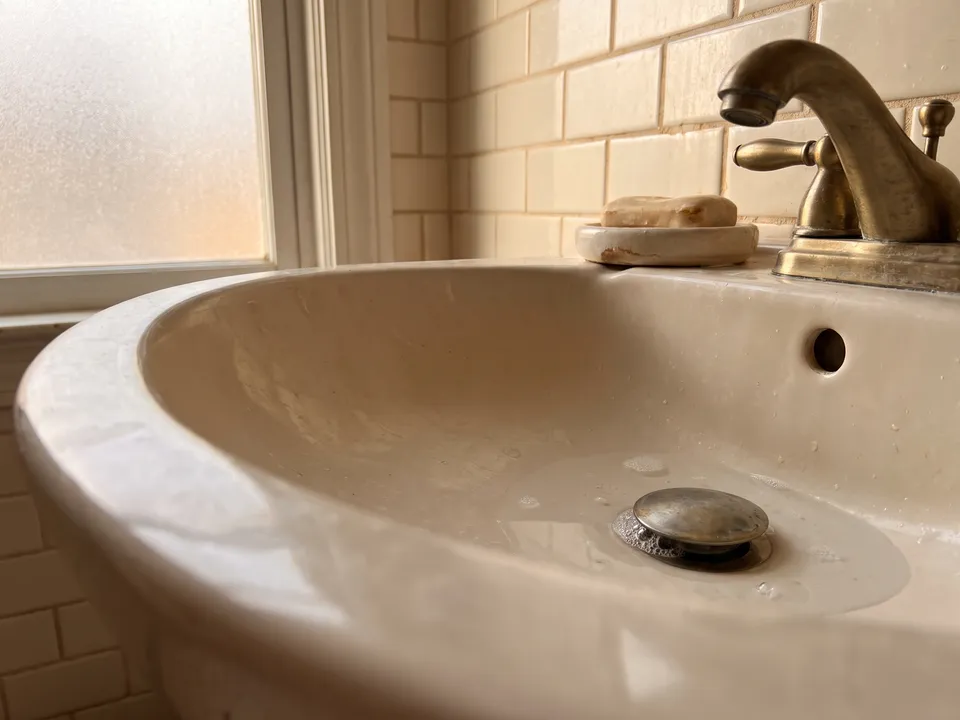
A clog is rarely random. Grease cools and coats the pipe wall, hair binds around the pop-up or trap arm, and wipes or paper catch on rough joints. Each of these narrows the bore until water stops moving. Clearing only the part you can see often leaves the real restriction in place, so we start by locating it.
What causes a drain to clog
Kitchen lines clog with fats, oils and food solids that harden inside the horizontal run beyond the trap. Bathroom sinks and tubs clog with hair and soap scum, which build around the stopper assembly and the P-trap.
Toilets and main lines clog differently. Paper, wipes and rough cast-iron or offset joints create a catch point, and roots or a sagging section can do the same further out.
Slow drains and clogs that keep coming back
A slow drain is the early stage of a blockage. If it clears for a week and then slows again, the restriction was only punched through, not removed, and the buildup is still on the pipe wall.
A repeat clog in one fixture points to that branch line. Repeat clogs in several fixtures at once point to the main drain, which is a different job and sometimes a sewer line question.
Kitchen backups and floor drains
When a kitchen sink backs up into the second basin or the dishwasher, the blockage is downstream of both. Floor drains are the lowest opening in the system, so water showing there often means the main line is restricted.
A floor drain that smells has a different cause: a dry trap. Pouring water into it restores the water seal, and we can check whether it dries out because of low use or a fault.
How snaking clears the line
A drain snake is a flexible steel cable with a cutting or retrieving head. It is fed into the line until it meets the blockage, then it breaks it up or pulls it out. The length and head type depend on pipe size and how far in the clog sits.
If snaking will not clear the line, we explain what suits your pipe before anything else is done. You get the options and the price before we start.
Keeping drains open afterwards
Strain food solids, wipe greasy pans before washing, and fit a hair catcher in tubs and showers. Flush only toilet paper. Chemical openers can sit in a standing pipe and attack fittings, so we advise against relying on them.
Price
Call for pricing
You get the price before any work starts.
Questions we get asked
Why does my drain clear and then slow down again within days?
The earlier attempt probably opened a narrow channel through the blockage without removing the buildup lining the pipe. Grease and soap residue stay on the wall and catch new debris quickly. A repeat slowdown means the restriction should be located and cleared along its length, not just punched through.
How can I tell a single-fixture clog from a main drain problem?
Run water at other fixtures. If only the kitchen sink is slow, the problem sits in that branch. If the tub gurgles when the washing machine drains, or a basement floor drain bubbles, several branches share the restriction, and the main line needs attention.
What does it cost to clear a drain?
It depends on which fixture is affected, how far in the blockage sits and how easy the access is. We do not post flat rates. After we find the cause, we give you the price upfront, before any work starts, so you can decide with the numbers in front of you.
Why did my kitchen sink back up into the other basin?
Both basins drain through the same trap and waste line, so water rising in the second side means the blockage is beyond the point where they join. Fat and food solids hardening in the horizontal run are the usual cause. Clearing that section usually restores flow.
Is a floor drain smell the same problem as a clog?
Not always. A smell with normal drainage often means the trap has dried out, so sewer gas passes through. Pour in water to restore the seal. If water backs up or drains slowly, there is a blockage, and the line should be cleared.
What should I do before the plumber arrives?
Stop running water into the affected drain, and move items away from the cabinet or floor drain. Note which fixtures are slow and when it started. Do not add chemical drain cleaner, because it can sit in the pipe and irritate skin or damage fittings during the repair.
Do you use a snake on every clog?
Snaking suits most sink, tub and branch-line blockages, so it is our usual first step. If the symptoms point elsewhere, such as repeat backups through several fixtures, we explain what else is involved before proceeding. The choice is yours, and nothing starts until you agree to the price.
Can I stop clogs by pouring boiling water down the drain?
Hot water softens loose grease briefly, but the fat can re-solidify further down the line where the pipe is cooler. It will not dissolve hair or paper. Catching solids at the sink and wiping pans before washing prevents more clogs than hot water does.
Related services
Open 24/7. We answer, then book your appointment.